
Draft field note for the design preview. Review local details before using it to plan travel.
Begin with a different question
What do you want to notice, rather than simply see? Kidepo feels different because the journey there is part of the experience. Northeastern Uganda calls for deliberate planning and enough time to enjoy the setting once you arrive. Choose an itinerary that gives the park room, rather than adding it as a hurried extension to a route elsewhere.
Read the open landscape
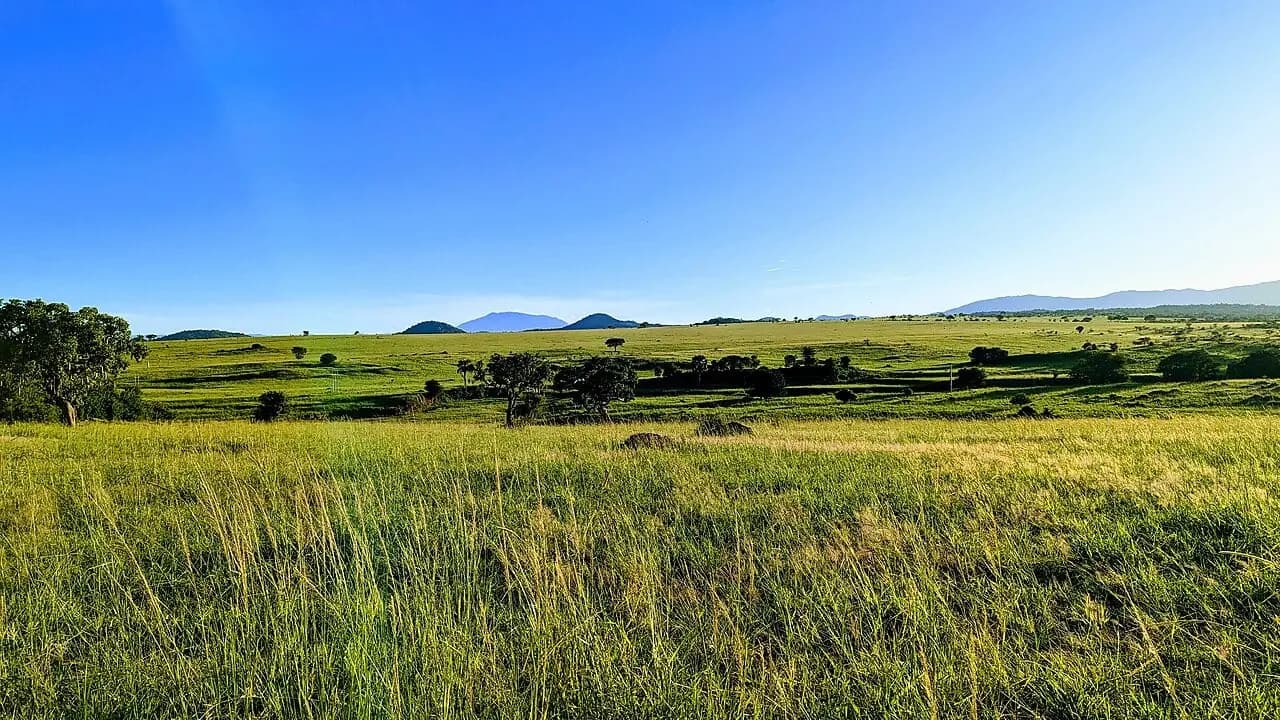
Savannah is not empty space. A patient guide helps reveal tracks, changing light, vegetation and the ways animals use the terrain. Wildlife sightings remain unpredictable, but a thoughtful drive offers plenty to notice even between encounters.
Travel with local context
If a cultural visit is proposed, ask who hosts it, how participation is arranged and what photography is appropriate. Communities are not attractions to enter without permission. An agreed visit should make room for conversation and respect the people setting the terms.
Keep the route realistic
Ask about the actual transfer duration, planned rest stops and the suitability of the vehicle for current conditions. Discuss flight options only when an operator can confirm services and connections. A map alone is not enough to judge how a day will feel.
Leave with a clear plan
Confirm the guiding arrangements, accommodation location and the park activities included in the quote. Build in enough time to enjoy the destination without making the departure day stressful. A flexible, well-explained route matters more than the longest possible list of stops.
Bring curiosity, leave room
Travel becomes richer when there is time to ask questions. Tell your guide what catches your attention, make space for a meal that is not rushed and let the group pause without treating every pause as lost time. A useful itinerary sets expectations clearly but does not pretend to script every encounter.